

If you fall behind on your property taxes in Cuyahoga County, the county can sell your delinquent tax lien to a private investment company.
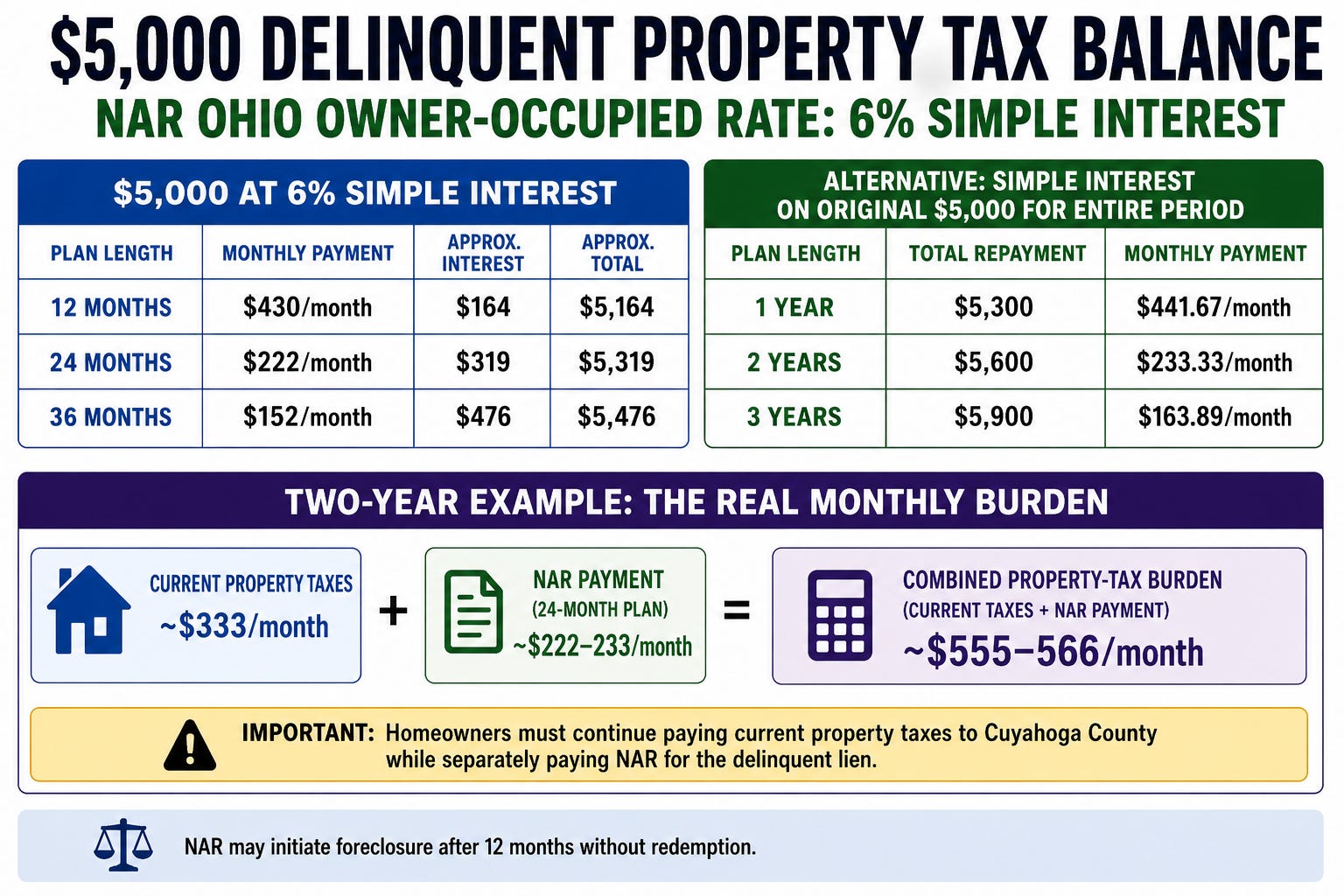
The company pays the county what it is owed. In return, the company receives the right to collect that debt from you, with interest, fees, and costs added. You still own your house, but a private company now holds a powerful lien against it. If you do not pay or enter a repayment plan, that company can begin foreclosure proceedings after 12 months.
I understand the county’s side of this. Property taxes fund schools, libraries, social services, and local government. People cannot simply stop paying their taxes forever, and the county needs some way to collect delinquent accounts.
But there is a major difference between collecting taxes and turning somebody’s financial hardship into an investment product.
The County Chose to Bring This Back
Ohio law allows county treasurers to sell tax certificates, but it does not require them to do it. The law says the treasurer “may,” at the treasurer’s discretion, negotiate these sales. Cuyahoga County’s own website also says the Treasurer’s Office has “full discretion” to select and remove properties from a tax-certificate sale. (Ohio Revised Code §5721.33, Cuyahoga County Treasurer)
Cuyahoga County brought the program back in 2026 after pausing these sales. The county selected NAR Ohio to purchase delinquent tax certificates under an agreement authorizing as much as $40 million in sales through November 2027. Cleveland.com and The Plain Dealer reported that the initial pool included approximately 2,500 properties.
The county says its average tax-certificate sale involves several thousand properties and between $10 million and $17 million in delinquent taxes. Once a certificate is sold, the homeowner no longer deals with the county on that debt. The homeowner must pay the private certificate holder while also remaining current on new property taxes owed to the county.
Ohio law permits certificate interest rates as high as 18% in some circumstances. To be fair, that is not the rate Cuyahoga County negotiated for this sale. The current agreement reportedly sets simple interest at 6% for owner-occupied homes and 11% for other properties. That is better than 18%, but it still means people who already cannot afford their taxes are being charged more because a private company now owns their debt.
That is the business model. The company does not buy this debt out of charity. It buys the debt because it expects to make money from the interest, fees, and enforcement rights attached to somebody else’s home.
A Tax Debt Can Become the Loss of a Home
The county is not directly selling these homes to NAR Ohio. It is selling the lien and the right to collect it. That distinction is important.
But the lien holder can pursue foreclosure if the debt is not resolved. The county’s own website confirms that foreclosure may begin after 12 months. Because the 2026 sale is new, there is not yet a meaningful foreclosure count arising from this specific batch of liens. The danger is what happens after that 12-month clock runs out.
And the financial damage does not stop with the tax bill.
In June, the United States Supreme Court ruled in Pung v. Isabella County that a homeowner is not automatically entitled to the hypothetical market value of a home sold through a fairly conducted tax-foreclosure auction. The family in that case allegedly owed about $2,242. Its home was assessed at $194,400 but sold at auction for $76,008. The Court said compensation is measured by the auction proceeds, not what the house might have sold for in a normal real-estate transaction. (Supreme Court case, Associated Press explanation)
The government cannot simply keep the amount left after the tax debt and costs are paid. The former owner is entitled to that actual surplus. But if a $200,000 house sells at a distressed auction for $75,000, the homeowner does not get the other $125,000 in lost market value.
That wealth is simply gone.
Funny how the government can tax you on the perceived fair market value of your house, but has no obligation to sell it for the fair market value.
I think that is absolutely crazy. The stated purpose is to collect the taxes, but the process can wipe out years or generations of accumulated equity. A relatively small tax debt can become the mechanism through which someone loses nearly everything they built through homeownership.
This concern is not new. Years ago, the NAACP Legal Defense Fund called on Cuyahoga County to suspend tax-lien sales, warning that the system could unfairly deprive people of their property and disproportionately damage Black communities. The Plain Dealer reported on those concerns at the time.
Cuyahoga County Does Not Have to Wait
Republican state Rep. David Thomas and Democratic state Rep. Daniel Troy introduced House Bill 493, called the No Profit from Foreclosures Act. As originally introduced, it would have ended new tax-certificate sales statewide beginning in 2027. (Ohio House announcement)
The bill has since been narrowed. The current substitute version would generally require an owner’s consent before a county could sell a tax certificate attached to an owner-occupied home or agricultural property after 2026. Commercial and non-owner-occupied properties could still be sold. The bill has not become law, and Cuyahoga County Treasurer Brad Cromes is listed among its opponents. (HB 493 committee record)

But Cuyahoga County does not need to wait for Columbus.
The county can collect delinquent taxes itself. It can establish payment plans, pursue the debt, provide assistance, and use the legal remedies already available to government. It can distinguish between someone refusing to pay and someone who is old, poor, disabled, or simply caught in a financial crisis.
What it should not do is hand that person’s debt to a private investment company whose ability to profit grows as the homeowner’s situation becomes worse.
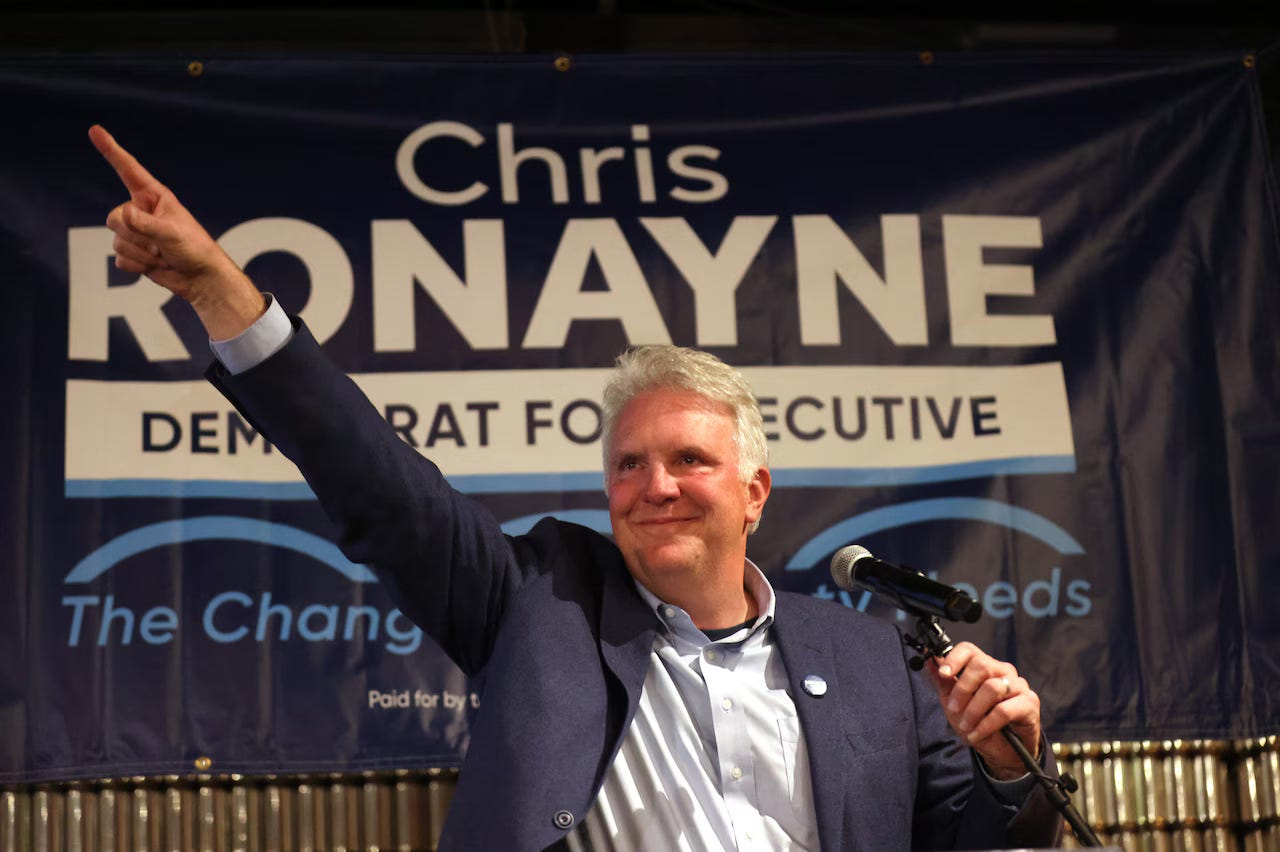
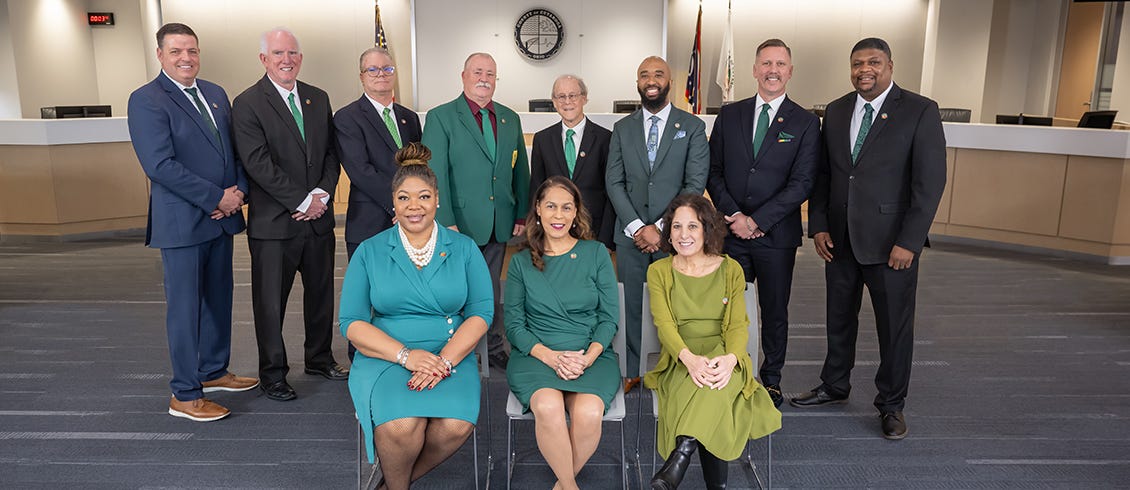
Chris Ronayne, County Treasurer Brad Cromes, and County Council cannot pretend this is something state law forced them to do. State law gave the county permission. The county made the choice.
It can also choose to stop.