

At the end of this month, an institution in Bay Village, Ohio will close its doors after 57 years. Arthur’s Shoe Tree has been fitting kids, parents, runners, workers, and professionals for decades. It was not the biggest store. It did not carry the widest selection. But what it did have was service. Real service. They sized you properly. They understood feet. They cared about whether you walked out comfortable. Yes, it cost a little more. But you left knowing you were taken care of.
I stopped in recently before they close. Everything was 50 percent off. I felt guilty using a gift card I had received for Christmas. I even called ahead to ask if it was okay. The owner told me it was.
We talked while I tried on shoes, and what he described sounded like something I have been hearing more and more from small business owners across Northeast Ohio: procurement is harder, margins are tighter, distributors are brutal, and post-COVID business habits have never really returned to what they were.
Distribution Is Killing the Small Shop
Arthur’s is one of roughly 300 privately owned, full-service shoe stores left in the country, according to the owner. That used to be normal. Now it is niche. Boutique. Rare.
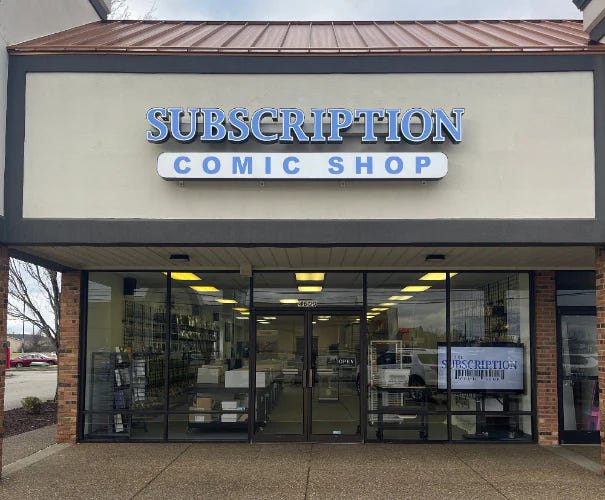
A friend of mine runs a comic book shop in Indiana. We have had long conversations about distributors. Marvel. DC. Magic: The Gathering. Sports cards from Topps and Upper Deck. The truth is simple. Distributors do not care about the small store. It is inefficient to ship a few boxes to a single operator when you can send pallets to Walmart, Target, Costco, or Sam’s Club.
If you owned a pizza shop and had a contract to deliver to every school in the region, would you care about the family ordering one pie on a Tuesday night? That is what distribution looks like now. The big contracts matter. The little ones not so much.
In some cases, small businesses are charged near retail for inventory. If they want discounts, they are pushed into financing agreements that lock them into debt relationships with suppliers. If they call on that debt, owners have a choice to pay up, or close their doors. Worst case is the distributors acquire the business and turn it into their distribution portfolio.
COVID Changed Everything
Nearly every owner I talk to says the same thing. COVID changed habits. It changed how we shop. It changed what we value. It changed whether we even leave the house.
Restaurants and breweries are feeling it hard. Many breweries across Northeast Ohio have shut down. Working Class Brewery. Midnight Owl. Bookhouse. Voodoo. Magic City. And, dozens more. I have heard roughly 30 breweries have closed in just the past six months.
Yes, maybe there were too many breweries. That is a fair argument. But there used to be a bar on every corner in the 80s and 90s. Commerce evolves. The question is what replaces it.
Legalized marijuana has also shifted behavior. Fewer people are going out for a drink and a burger. More are staying home, ordering DoorDash, and scrolling their phone. That shift alone changes entire business ecosystems.
The Empty Storefront Problem
Look around your town and you will see vacant storefronts. Some are being replaced with vape shops, smoke shops, and hemp stores.
Retail that once relied on curated goods now competes directly with Amazon at a third of the price.
I recently visited a local boutique that had great style and interesting items. But most of what was on the shelf could be found online for a fraction of the cost. I understand the appeal of curation. I understand the value of taste. But paying triple is a hard sell when household budgets are tight.
We all want the best deal. That reality collides directly with the survival of small business.
What Still Works
What still thrives? Skilled labor. Barbers. Tattoo artists. Electricians. Plumbers. Carpenters. Craftspeople. Businesses rooted in skill rather than reselling goods.
Experiences are growing. Escape rooms. Ice cream shops. Game rooms. Arts-and-crafts nights where you can drink and create something. Metroparks. Museums. Libraries. Even summer baseball games are seeing renewed interest after a downturn.
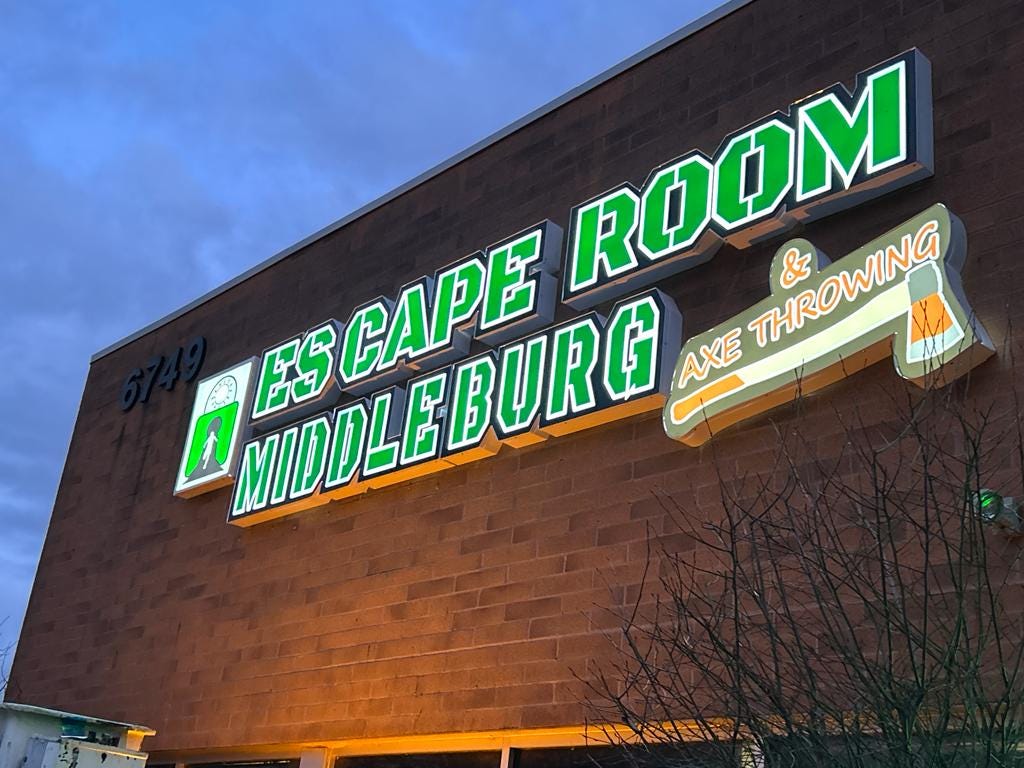
People are craving experiences. They want something real. Something off the phone. Something they cannot get shipped in a box.
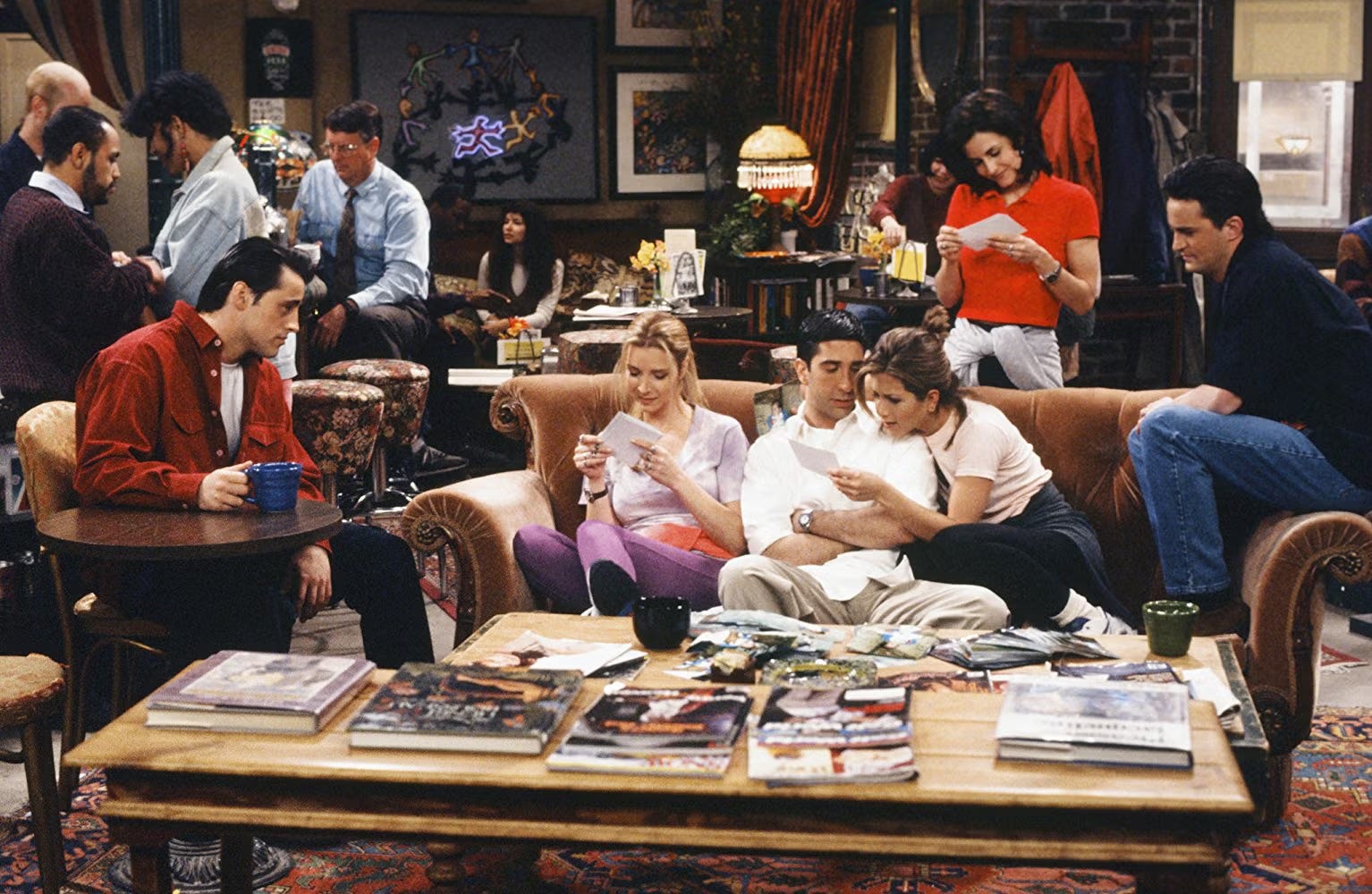
Coffee shops used to be gathering places. Comfy sofas for chatting. Laptops open and spaces for work. Now many are grab-and-go through an app. Order. Pick up. Drive away. Even if you want to sit there it is a barren cold place that seems designed to make you want to leave.
What Do We Do About It?
I do not pretend to have the solution. Commerce changes. Technology changes. Distribution consolidates. Habits evolve. That is the market.
But watching a 57-year-old institution close its doors forces you to reflect. Watching neighbors sell their businesses and consider going to a 9-to-5 cubicle forces you to think about what kind of community you want to live in.
We cannot ignore price. We cannot ignore household budgets. But we can make intentional choices.
Stop in for an appetizer instead of a full meal. Take a class at a local craft shop. Visit the escape room. Bring your kids to the ice cream shop. Pop into the local store for something of better quality instead of the fast fashion and fast food we are increasingly getting used to and pinholed into. Be deliberate about where your dollars go.
So, Arthur’s Shoe Tree is closing. That is the market. But the future does not have to be empty storefronts and algorithm-driven convenience.
Watch your pocketbook. Provide for your family. But do not forget to step into a local shop. Put your phone down. Have an experience. Support the people who built your town.
I’ve noticed that too. Not going into a store means I’m less tempted to buy something I hadn’t planned on. A win for me? Sometimes. But yes, it’s not the small town life that (kinda) civilized me. New world. Brave (I hope).