

Welcome to the Angry Ohioan
Hey everyone, welcome to The Angry Ohioan. This is a new Substack by The Angry Democrat, created specifically to focus on Ohio news, Ohio politics, and Ohio issues.
The stage is now set for a consequential primary season. The filing window has closed for the May 5 primary, which means we finally have clarity on who is running, where the fights are. Now it is time to look closely at the candidates, the issues, and the policies that will shape what happens between now and May.
Trust me, this is going to be interesting. We have crowded Democratic primaries across Cuyahoga County, several competitive races in Northeast Ohio, and a handful of contests around the rest of the state that deserve real scrutiny.
If you have not subscribed to the Angry Ohioan yet, please do. This publication exists so Ohio-focused coverage does not flood The Angry Democrat feed and overwhelm readers who are here primarily for national and international issues. This one is for Ohio.
Throughout this primary season, I will focus on the candidates and the issues. I will offer my own analysis, insights, and picks. I will also invite candidates to participate, whether that means discussions, debates, or written contributions explaining what they are trying to do and why they are running.
Let’s get into it.
The Field Is Set
The last day to file for the May 5 primary was February 4. With that deadline behind us, we now have a clear picture of what the ballots will look like. There are several races that are going to be contentious, expensive, and politically revealing.
The Governor’s Race


To start with the race that is already on everyone’s radar: the race for governor. Vivek Ramaswamy on the Republican side and Dr. Amy Acton for Democrats. Ohio has been a red state for some time now. In 2024, the state went 55.1 to 43.9 for President Trump. In the most recent governor’s race, Nan Whaley lost to Mike DeWine by a staggering margin of 62% to 37%. Those numbers matter. They frame just how steep this climb actually is, regardless of how much optimism Democrats want to project.
If Ohio were somehow flipped from a Republican to a Democratic governor, it would signal something much larger than a single statewide win. It would indicate real, widespread Republican discontent across Ohio and meaningful momentum for Democrats. A flip here would not happen in isolation. If Ohio goes blue at the gubernatorial level, the rest of the country is also moving in that direction. Until then, this race remains an uphill battle that requires more than hope. It would require a wave.
The Senate Race Everyone Is Watching


The other race that cannot be ignored is the Senate contest between appointed incumbent Jon Husted and former Senator Sherrod Brown. Ohio has been reliably red at the statewide level for years, and Sherrod Brown was the lone Democratic exception. He consistently over-performed other Democrats statewide, often doing better than Democrats in their own district. Brown is tough AF. But, it does not erase the current environment.
This is still a hill to climb. For Brown to overcome it, multiple conditions would need to align. Statewide Republican unpopularity would have to rise significantly, and it would likely need to coincide with a broader blue wave. Absent that, the fundamentals still favor Republicans. I will be diving much deeper into both of these races as the cycle develops.
Ohio’s 7th Congressional District


The incumbent is Max Miller, a congressman I tried to unseat in both 2022 and 2024, without success.
There is a lot of excitement around this race because the DCCC has signaled that it may step in. That support usually means consultants, money, and national attention, all of which can make a race more competitive for Democrats.
Across the country, Democrats have flipped Republican seats in special elections, which has fueled optimism that Ohio 7 could be in play. That optimism should be tempered. Max Miller has significant personal wealth, strong fundraising capacity, and the benefit of redistricting that made this seat even more Republican-leaning. The district shifted roughly another half point toward Republicans.
My read is that the mapmakers did not feel the need to make the district completely safe for Miller because of his ability to self-fund, and because he is not universally loved within his own party.
There are eight Democrats running in the primary. Max Miller is the only Republican. I will cover each Democratic candidate in separate posts.
Ohio’s 11th Congressional District
Ohio 11 is a very different story.
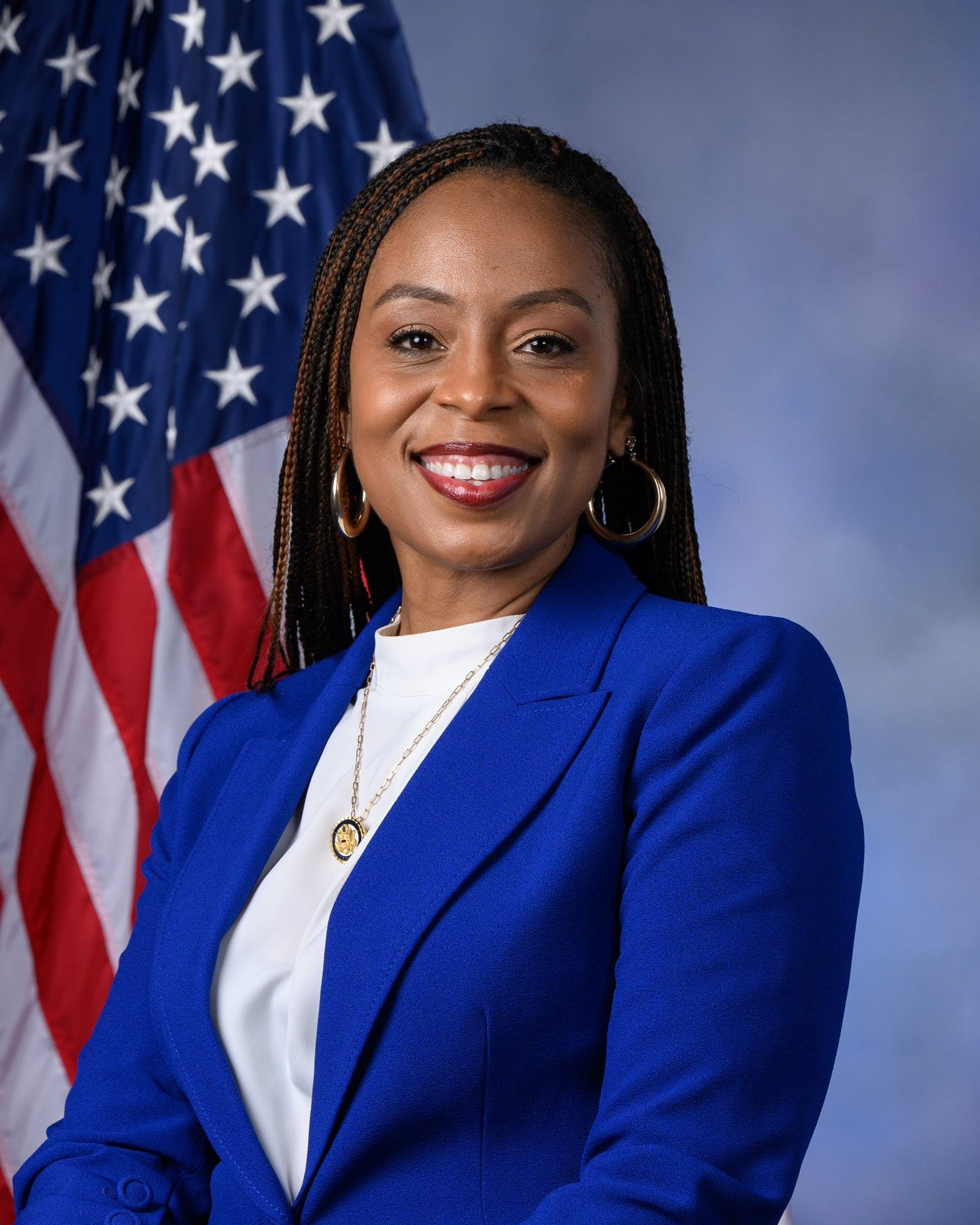
The incumbent, Shontel Brown, has been in office since 2023. She faces two Democratic primary challengers and two Republicans. This district votes roughly 75 percent Democratic.
The Democratic challengers are not trying to climb a mountain, but trying to climb El Capitan. Shontel Brown has overwhelming institutional support, massive fundraising advantages, and endorsements from county, state, and national Democratic organizations. I do not see a realistic path for her challengers.
Once this race reaches the general election, the Republican candidates are effectively running in name only. Barring something truly unprecedented, this seat will not flip.
State Senate 23
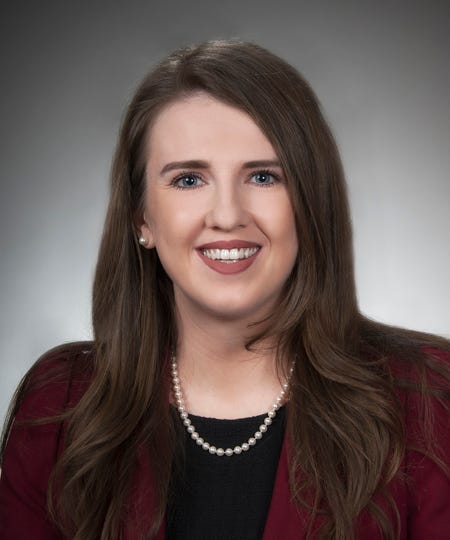
At the state level, what I initially thought would be a quiet race is not so quiet after all.
State Representative Bride Rose Sweeney appears to have a Democratic challenger in Willie Britt. While his signatures are not yet validated on the Board of Elections website, assuming they hold, this is still an extremely steep uphill battle for him. Sweeney is a popular Democrat in a newly Democratic district. The Republican challenger in the general election has a chance but very slim.
Ohio House Districts
House District 18 has four Democrats and one Republican. This is a heavily Democratic district, meaning the primary will decide the seat. I will break down the Democratic field in a future post.
House District 19 has three, possibly four, Democrats in the race. This district is more competitive, with a roughly 53 to 45 Democratic lean. Whoever emerges from the primary will need to run a disciplined campaign to avoid mistakes.
House District 20 has four Democrats and one Republican. With an approximately 88 percent Democratic lean, the primary winner will almost certainly take the seat.
Cuyahoga County Council
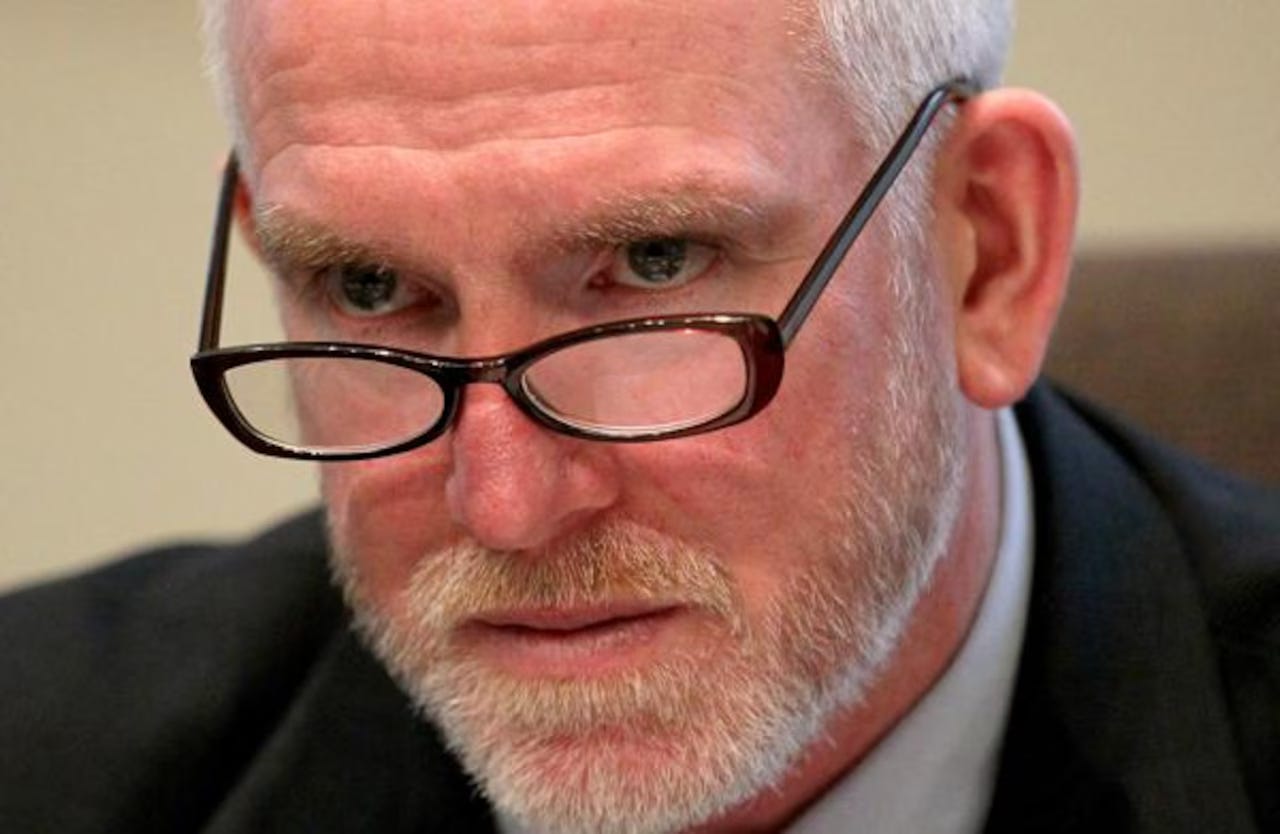
County Council District 3 features two challengers to incumbent Martin J. Sweeney, a long-time Cuyahoga County political figure. He will be difficult to beat.
That said, this race is less about Sweeney himself and more a referendum on the county’s direction under County Executive Chris Ronayne, who is running unopposed. There is growing dissatisfaction with the county’s fiscal trajectory, including rising debt and major capital projects. As I laid out in my 2026 winners and losers analysis, the county budget is one of my pick for biggest loser of 2026.
County Council District 11 has three Democrats competing for the seat. This will be decided in the primary.
County Council District 5 is one of the more interesting races to watch. Incumbent Michael J. Gallagher faces a challenger, Courtney Sheff, who has demonstrated real strength at the local level. The open question is whether she can translate that into votes in Republican-leaning areas like Strongsville, where much of the district’s electorate lives.
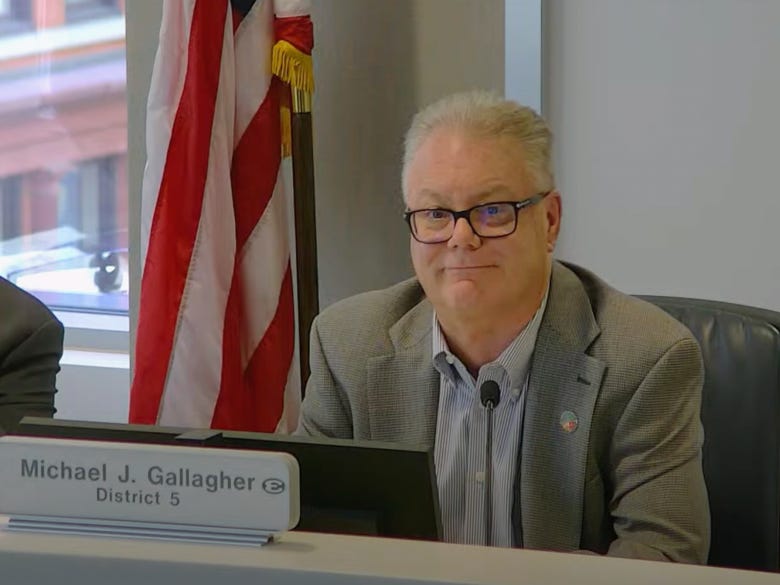
If District 5 flips, it could set precedent for other county and state races, including future congressional contests.
Judicial Races
Cuyahoga County also has a large number of judicial races, many of which are uncontested. While I understand why Republicans often do not run countywide judicial races, it is still troubling to see six-year judgeships paying over six figures annually handed out without challenge.
One judicial race I am watching closely is the Democratic primary for Court of Common Pleas between Jennifer McTernan and Diane P. Russell. From what I understand, McTernan believed she had a clear path, only to be challenged by a well-known and increasingly well-supported Democrat.


Because Common Pleas judges run countywide rather than by district, candidates can choose against who to compete. It appears Russell identified McTernan as the most vulnerable non-incumbent option. That is how these races are often played.
What Comes Next
I will continue to update this coverage and break down these races individually with deeper dives into the candidates, districts, issues, and policies. I will also be reaching out to candidates directly to give them opportunities to explain why they are running and what they hope to change.
There will be limited crossover of The Angry Ohioan content into the The Angry Democrat unless a race has clear national implications.
This separation exists to avoid reader fatigue and keep each publication focused.
If you are in Ohio, this is for you. Subscribe, stay informed, and stay engaged.
Thank you for all of your work! I am an Ohio voter who lives abroad, and it’s really hard for me to find information for primaries and local/state races. This is the best information I’ve had access to so far (ever?). So thanks again. I’ll be going to the embassy next week to send my ballot on its way.