


Op-ed Disclaimer: This essay reflects the personal views of its author. Opinions published by The Angry Democrat / The Angry Ohioan are intended to encourage debate and discussion, and do not necessarily represent the views of the publication, its editors, contributors, or affiliated projects.
America feels like a country arguing with itself in a locked room. Fifty states, one flag, one Constitution, one shared history, yet we behave like rival nations trapped inside the same borders. We call ourselves the United States, but we’re not acting united at all.

Some states threaten to defy federal laws. Some leaders talk about breaking away. Some groups openly hate the flag. Others cheer for the government to fail just so their political enemies look bad. It’s madness, not because disagreement is wrong, but because we’ve forgotten the difference between disagreement and destruction. Disagreement is healthy.
We’ve confused “I want a better country” with “I want the other side to lose.” And that shift is tearing us apart.
The irony is that most Americans, regardless of political identity, actually want the same core things: a stable economy, safe communities, a government that works, and a future where their kids have opportunities.
But instead of recognizing shared goals, we fixate on different methods and treat them as proof that the other side is dangerous, stupid, or evil. We’ve turned policy debates into moral battles. We’ve turned neighbors into enemies. And we’re paying for it.
Division Isn’t New, but It’s Louder
America has always had conflict. We’ve fought over land, rights, culture, religion, immigration, economics, and identity since the beginning. But today’s division feels different because it’s amplified. Social media rewards outrage. News outlets reward fear.
Politicians reward conflict because conflict keeps people loyal. Anger has become a currency, and we’re spending it recklessly.
The result is a country where people don’t just disagree. They assume the worst about each other.
If someone votes differently, they’re not just wrong; they’re a threat. If someone supports a policy you dislike, they’re not just misinformed; they’re part of a conspiracy. We’ve built a culture where the loudest voices drown out the reasonable ones and where every issue becomes a battlefield.
But here’s the truth we keep ignoring: a country cannot function when half of it wants the other half to fail.
We’ve Forgotten What a Nation Actually Is
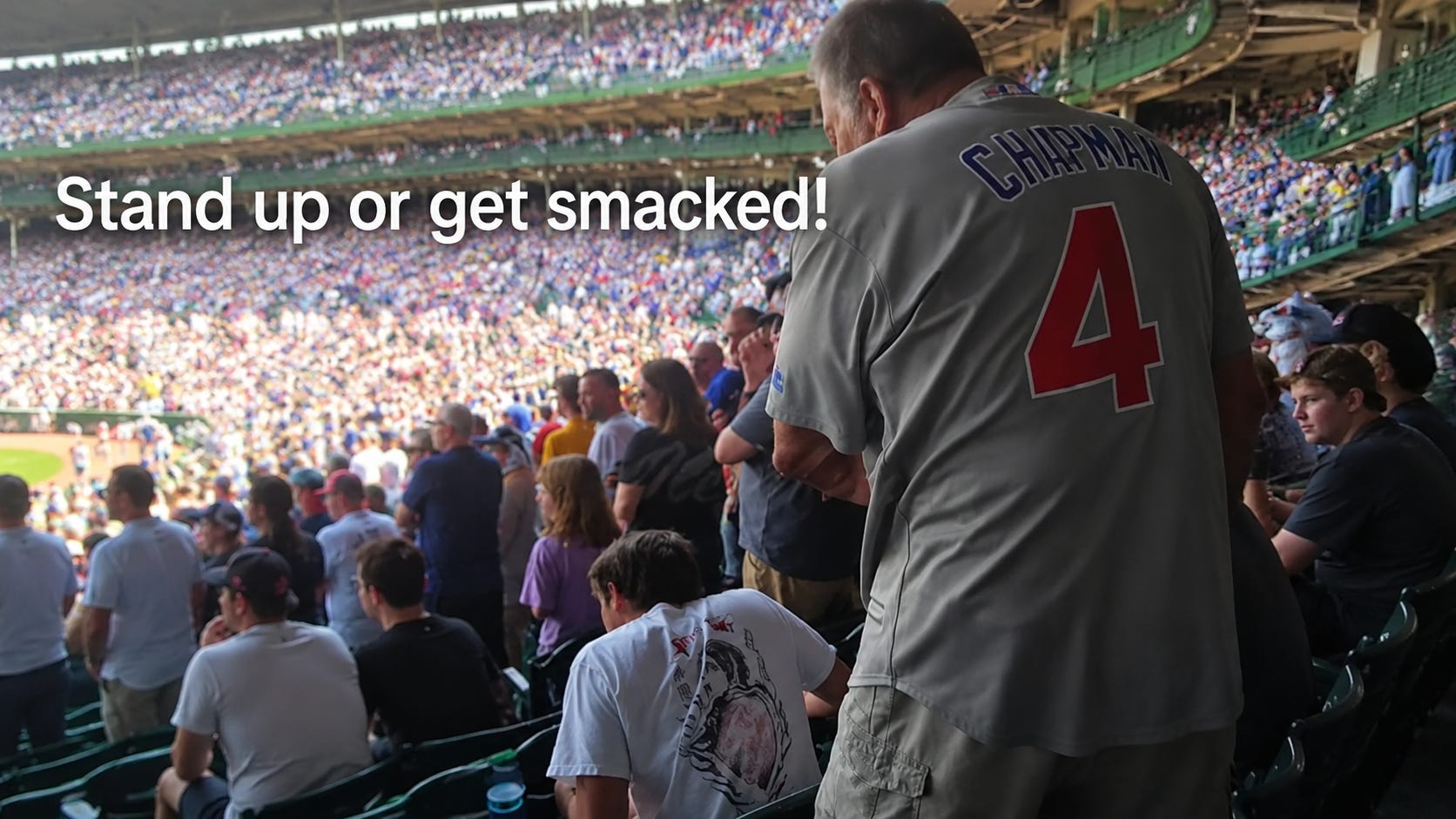
A nation is not a collection of perfectly aligned individuals. It’s a messy, diverse, complicated group of people who agree to share a future. That’s the deal. That’s the whole point.
You don’t have to like everyone in your country.
You don’t have to agree with them.
But you do have to recognize that they’re part of the same project, the same experiment, the same promise.
When states fight each other, when groups root for national failure, and when people celebrate division, they’re not fighting for America.
They’re fighting against the idea of America.
Because America only works when we believe in something bigger than our own side.
Shared Goals, Different Paths
The most frustrating part of our division is how unnecessary it is. Strip away the slogans, the party labels, and the media narratives, and you’ll find that most Americans want the same outcomes:
Shared prosperity
Safe communities
Functional government
Fairness
Opportunity for the next generation
These aren’t partisan goals. These are human goals.
Where we differ is in how to achieve them. Some people want more government involvement. Some want less. Some want stricter laws. Some want more freedom. Some want rapid change. Some want slow change.
That’s normal. That’s healthy. That’s democracy.
But instead of treating different approaches as part of the process, we treat them as existential threats. We’ve turned policy disagreements into identity wars. We’ve convinced ourselves that compromise is weakness and that cooperation is betrayal.
The truth is simpler: we can have different methods without having different missions.
The Flag Problem
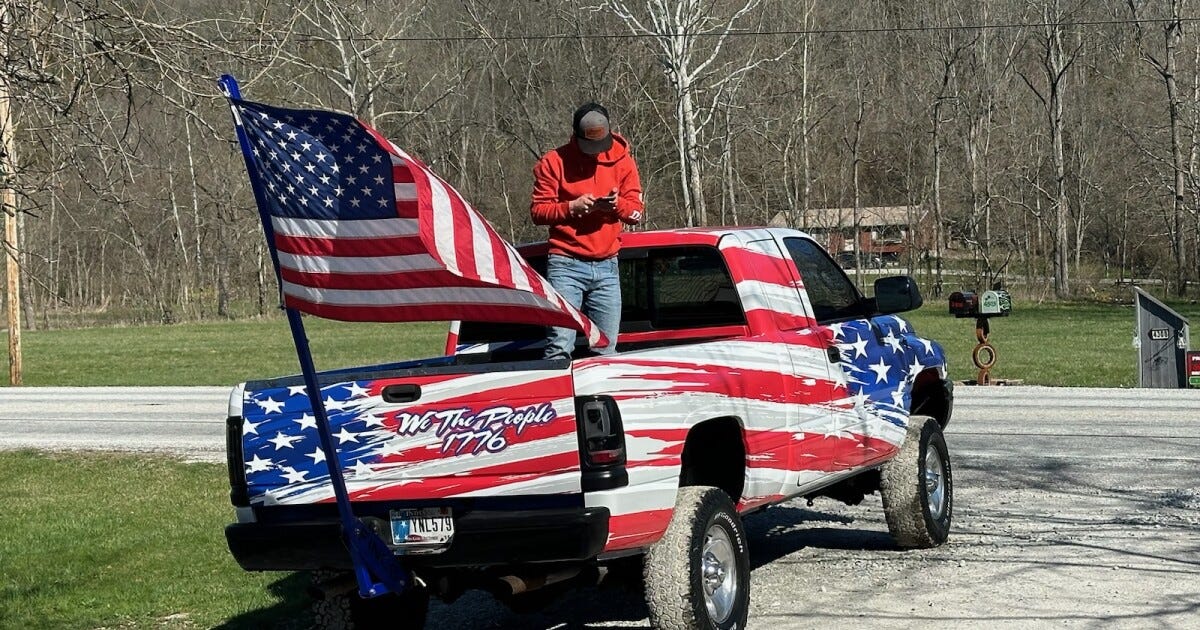
The American flag used to be a symbol of shared identity. Today, it’s become a political Rorschach test. Some people see it as a symbol of freedom. Others see it as a symbol of oppression. Some wave it proudly. Others refuse to stand for it.
But the flag isn’t the problem. The problem is that we’ve stopped agreeing on what the flag represents.
It’s supposed to represent the idea that we’re in this together, that we’re part of the same story. When groups hate the flag, or when others weaponize it as a political symbol, we lose the common ground that keeps a nation stable.
A country without shared symbols becomes a country without shared meaning.
Cheering for Failure Is Cheering Against Yourself
One of the strangest trends in modern politics is the celebration of national failure. If the economy dips, one side cheers. If a policy collapses, the other side celebrates. If a leader stumbles, millions of people treat it like a sports victory.
But when the country fails, nobody wins. Not your party. Not your ideology. Not your community. Not your family.
If you want your political opponents to fail so badly that you’re willing to let the country burn, you’re not fighting for America. You’re fighting for a scoreboard.
And scoreboards don’t build nations.
The Path Forward, or Whatever We’re Calling It Now
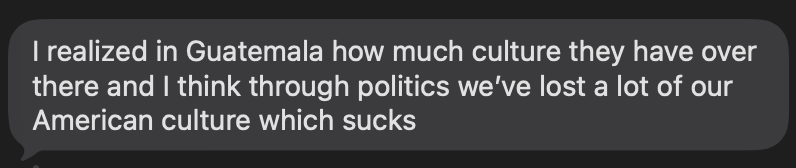
We don’t fix division by pretending it doesn’t exist. We don’t fix it by shouting louder or by treating every disagreement like a war. But I’m not here to hand out answers or pretend I know the magic formula for unity. I’m not even sure anyone does.
What I do know is that we’re living in a moment where the word “United” feels more like a habit than a description. We keep repeating it because it’s printed on our documents and stitched onto our flag, but repetition isn’t the same as reality. You can say a thing long enough that you forget to check if it’s still true.
We keep insisting we’re one country, but everything we do suggests otherwise. We fight, we divide, we root against each other, and we call it patriotism. We tear at the same fabric we expect to hold us together.
Maybe the truth isn’t that we’re losing unity. Maybe it’s that we stopped wanting it.
If that’s the case, I’m not sure what comes next. And maybe that’s the part we should be thinking about.
Stay Angry
Guest Writer: This article was contributed by a local Angry Patriot.
The Angry Democrat / The Angry Ohioan welcomes submissions from local writers and community members who want to contribute thoughtful commentary on the Democratic Party, our democracy, public policy, and issues affecting Northeast Ohio and beyond.
Interested in writing for us? Contact us at Matt@theangrydem.com